


Order Flow in trading (OF) is a concept that describes market structure with active liquidity manipulation. At its core, Order Flow looks very similar to a normal bullish or bearish structure, but the key difference lies in how price interacts with highs and lows.
While a simple market structure forms clean higher highs and higher lows in an uptrend (or lower lows and lower highs in a downtrend), Order Flow includes intentional raids of liquidity above highs or below lows. These raids are not random. Their purpose is to activate stop orders of retail traders, allowing large market participants to build or distribute positions.
Experienced traders and institutions must manipulate price to enter large positions efficiently. As retail traders, our task is not to fight this behavior, but to recognize it and trade in the same direction.
Difference Between Simple Market Structure and Order Flow in trading
The difference between Order Flow in trading and simple structure is critical:
- Simple bullish structure: price strictly forms HH → HL → HH without liquidity raids
- Simple bearish structure: price strictly forms LL → LH → LL without liquidity raids
In contrast:
- Bullish Order Flow: price raids sell-side liquidity (lows) inside the structure
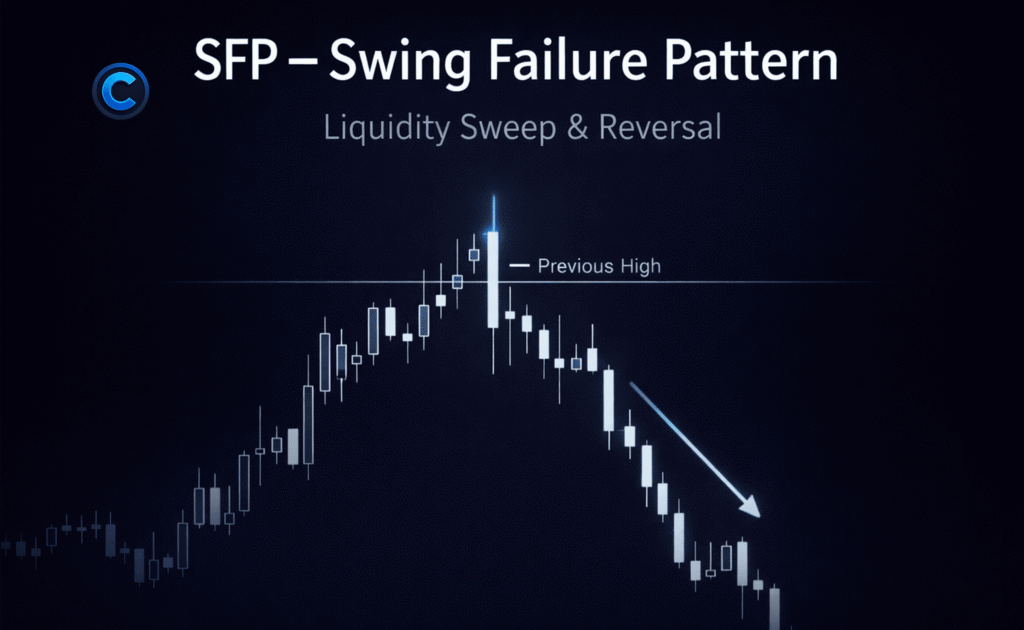
- Bearish Order Flow: price raids buy-side liquidity (highs) inside the structure
These liquidity grabs indicate institutional participation and usually precede strong directional moves.
Bullish Structure vs Bullish Order Flow (Schematics)
Simple Bullish Structure

In a simple bullish structure, price moves cleanly from higher low (HL) to higher high (HH) without taking liquidity. The trend looks healthy, but liquidity remains untouched under each higher low. This liquidity accumulates and will likely be taken later.
Bullish Order Flow

In bullish Order Flow, price intentionally sweeps previous lows inside the structure. These liquidity raids confirm that institutions are accumulating long positions. After taking sell-side liquidity, price is more likely to continue upward with strength.
Trading with bullish Order Flow in trading significantly increases the probability of successful long trades, because institutions benefit from pushing price higher after liquidity is collected.
Real Example: Bullish Structure vs Bullish Order Flow
Example of Simple Bullish Structure
For the best chart analysis experience, open these structures directly on TradingView.

In this real-market example, price moves upward structurally without liquidity raids. Although the trend is bullish, no liquidity is being removed. Every higher low stores sell-side liquidity that remains vulnerable in the future.
This type of movement can continue, but it is less reliable for precise entries.
Example of Bullish Order Flow

Here, price actively raids sell-side liquidity during pullbacks. These manipulations confirm that large players are in control. Liquidity grabs increase momentum and reduce uncertainty because institutions are building positions within the structure.
This is the ideal environment to look for long trades aligned with smart money.
Bearish Structure vs Bearish Order Flow (Schematics)
Simple Bearish Structure
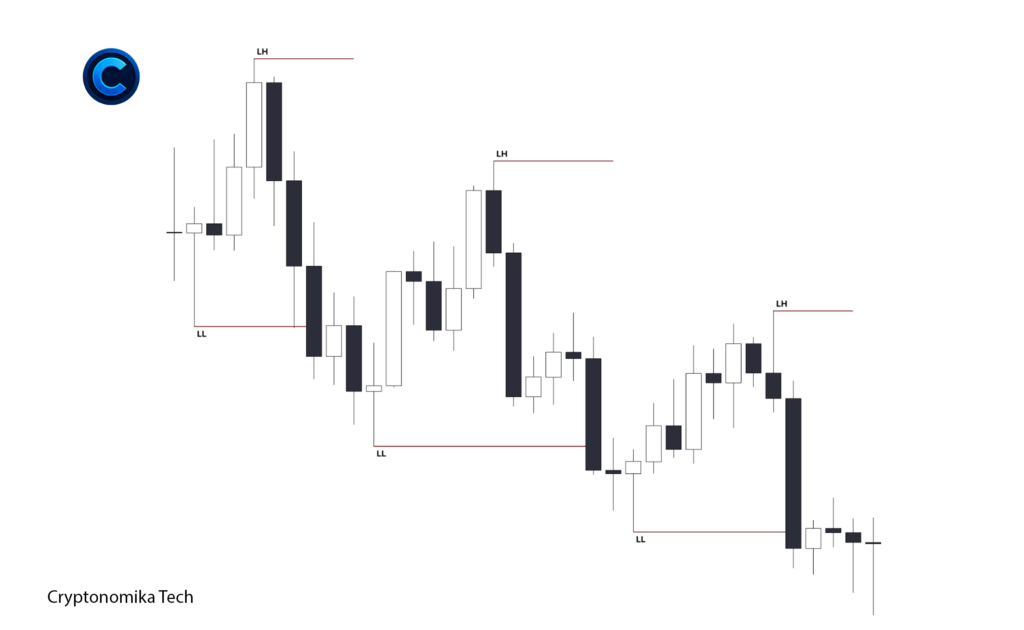
In a simple bearish structure, price strictly moves from lower high (LH) to lower low (LL) without liquidity raids. No manipulation occurs, and buy-side liquidity accumulates above each lower high.
This structure is clean but lacks confirmation of institutional activity.
Bearish Order Flow
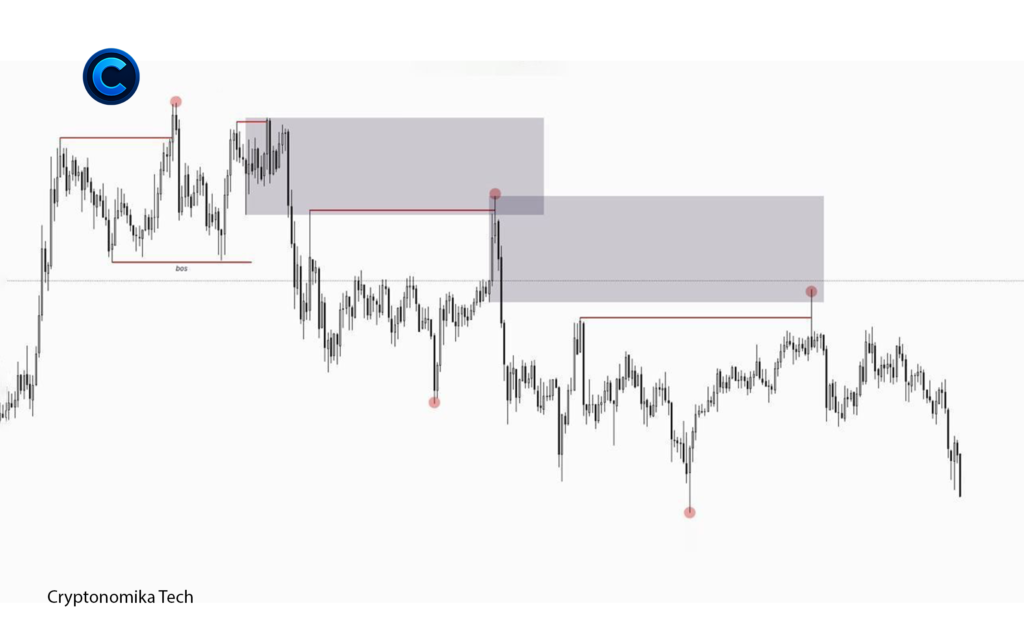
In bearish Order Flow, price raids buy-side liquidity above highs. These raids indicate distribution by institutions. After liquidity is taken, price continues downward with increased efficiency.
When bearish Order Flow in trading is present, short trades have significantly higher probability.
Why Order Flow Should Be Your Trading Priority
The main reason to prioritize Order Flow in trading is simple:
institutions move the market.
Institutions use liquidity raids (raids, SFPs) to:
- Accumulate positions
- Distribute positions
- Reduce risk on large orders
By trading inside Order Flow, we align ourselves with these actions instead of trading blindly against them.
Order Flow provides:
- Clear confirmation of smart money presence
- Reduced risk entries
- Higher trade efficiency
- Better trade management and confidence
When we trade in the same direction as institutional flow, we avoid being liquidity for the market and instead become participants in the real move.
Final Thoughts
Order Flow in trading is not a separate strategy — it is an advanced lens through which market structure should be viewed. Simple structure explains direction, but Order Flow explains intent.
If you want to improve consistency, reduce false entries, and trade alongside institutions, Order Flow must become your priority framework.
Understanding where liquidity is taken — and why — is what separates reactive traders from professional ones.
Related Guide:
Liquidity in Trading: The Concept of Market Liquidity Explained
About the Author

1 thought on “Order Flow in Trading: 7 Powerful Ways Institutions Manipulate Price”