

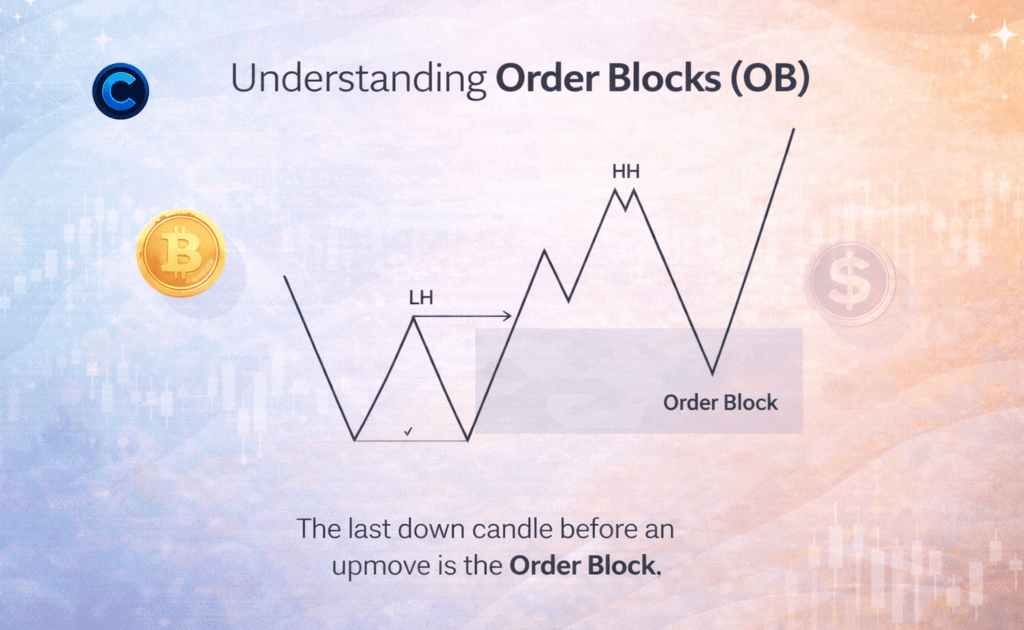
Order Block trading (OB) is a sponsored candle where large institutional players (Smart Money) allocate significant capital to initiate a strong price movement either upward or downward.
In most cases, an Order Block appears as the last candle before an impulsive move that either breaks market structure (BOS) or confirms a new one.
Visually, an Order Block often resembles an engulfing-type formation. However, the key difference is not the candle pattern itself, but what happens after. In Order Block trading, we wait for the price to return and test the OB zone, then look for entries in the direction from which the impulse originated.
Order Blocks are one of the core concepts of Smart Money trading because they represent real areas of institutional interest, not random retail patterns.
For the best chart analysis experience, open these structures directly on TradingView.
Bullish Order Block (Bullish OB)
A Bullish Order Block trading forms when large players accumulate long positions before pushing the price higher. Typically, it is the last bearish candle before a strong bullish impulse.
Characteristics of a Bullish OB:
- Appears before an impulsive bullish move
- Leads to a break or confirmation of bullish market structure
- Acts as a demand zone on a retest
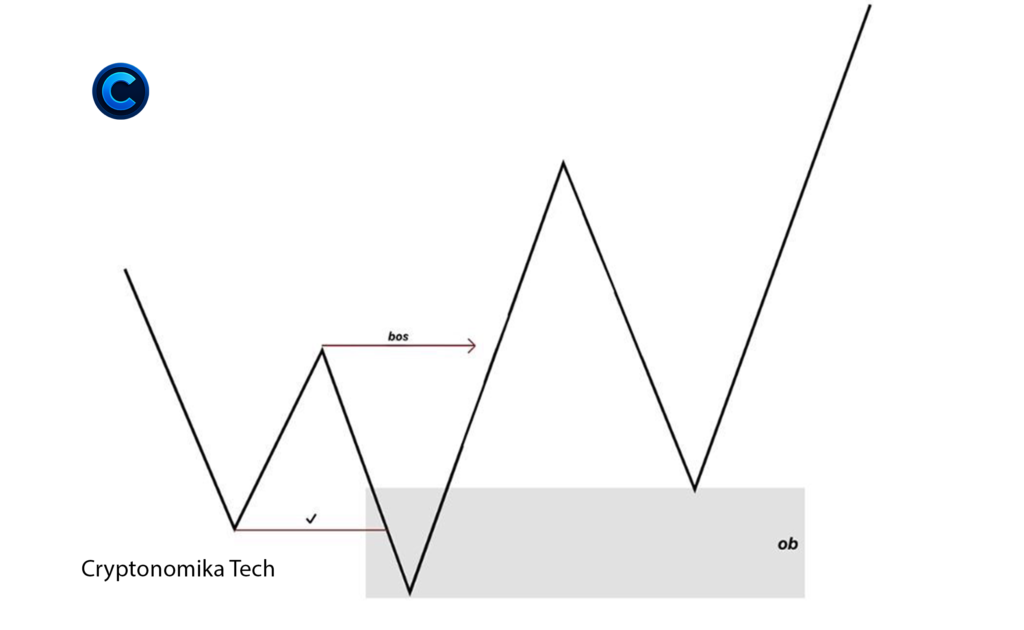
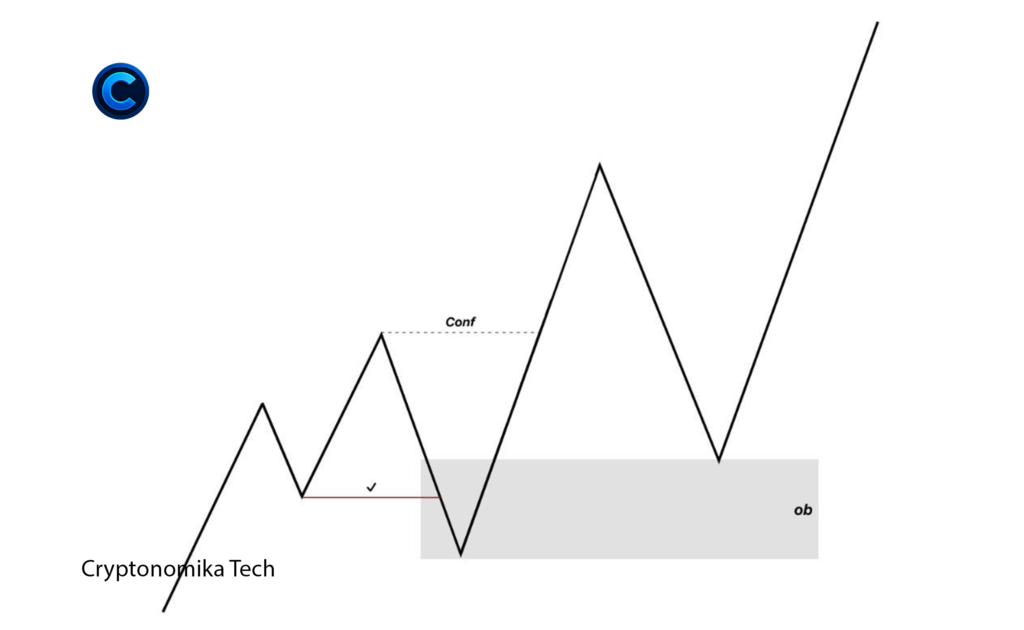
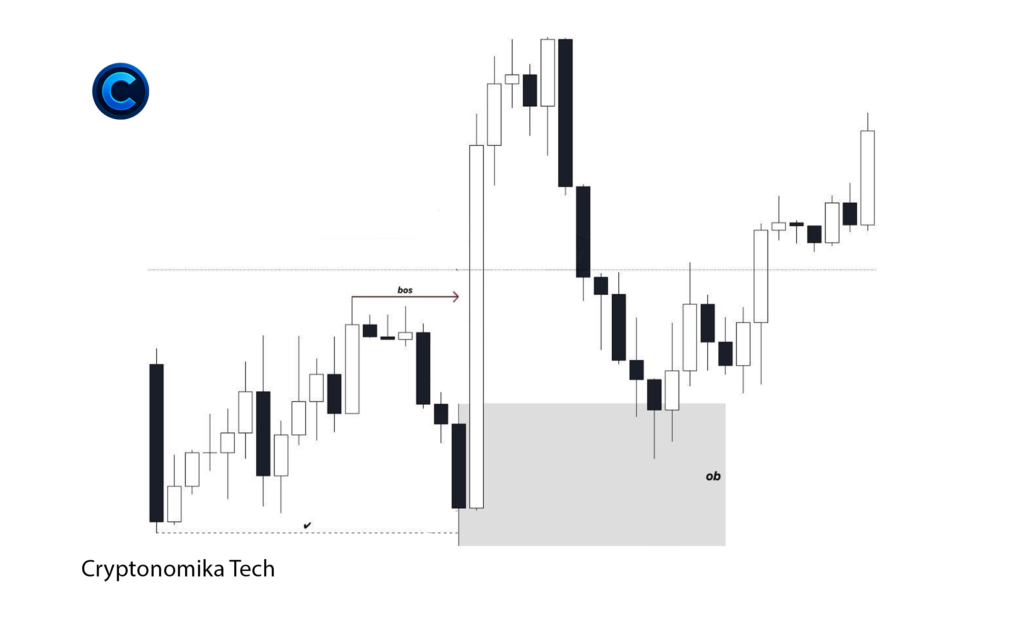
When price returns to a valid bullish Order Block trading, we expect buyers to defend this zone aggressively, resulting in a strong reaction upward.
Bearish Order Block trading (Bearish OB)
A Bearish Order Block is the opposite scenario. It forms when Smart Money distributes positions before driving price lower. Usually, it is the last bullish candle before a strong bearish impulse.
Characteristics of a Bearish OB:
- Appears before a sharp bearish move
- Causes a break or confirmation of bearish structure
- Acts as a supply zone on a retest
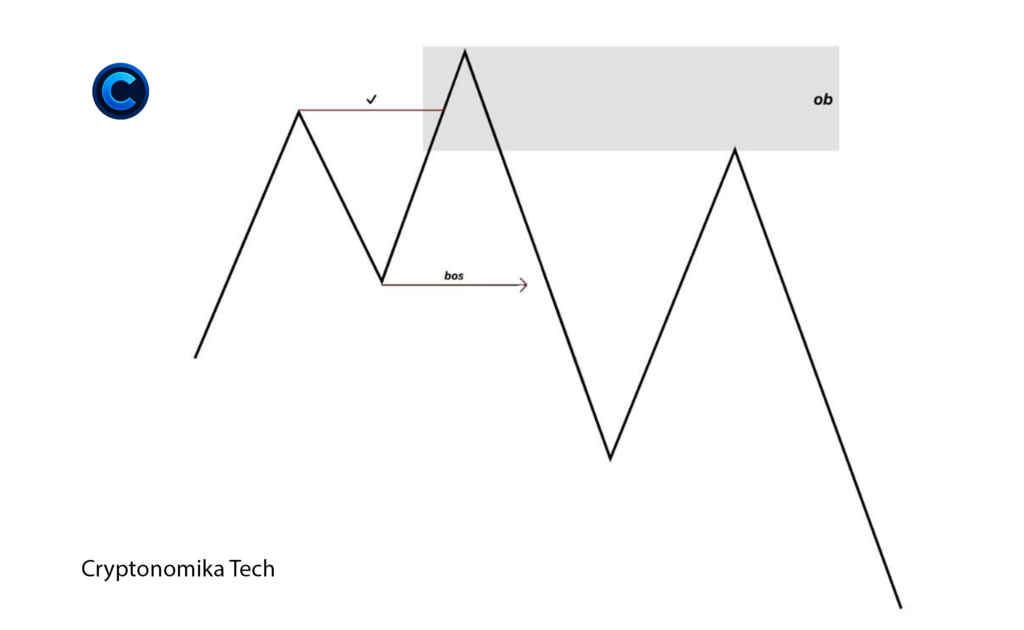
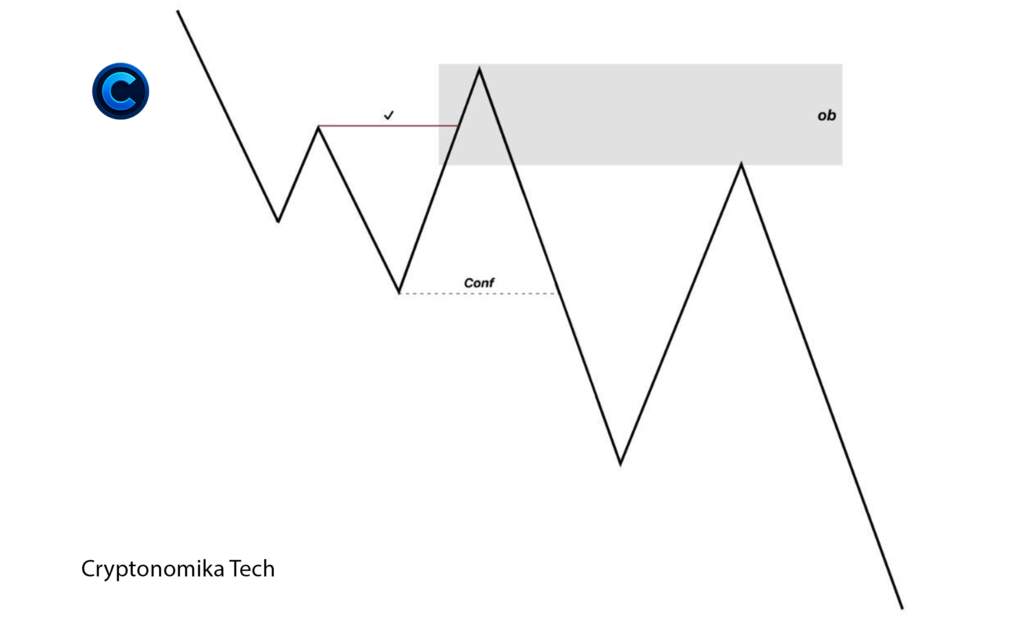
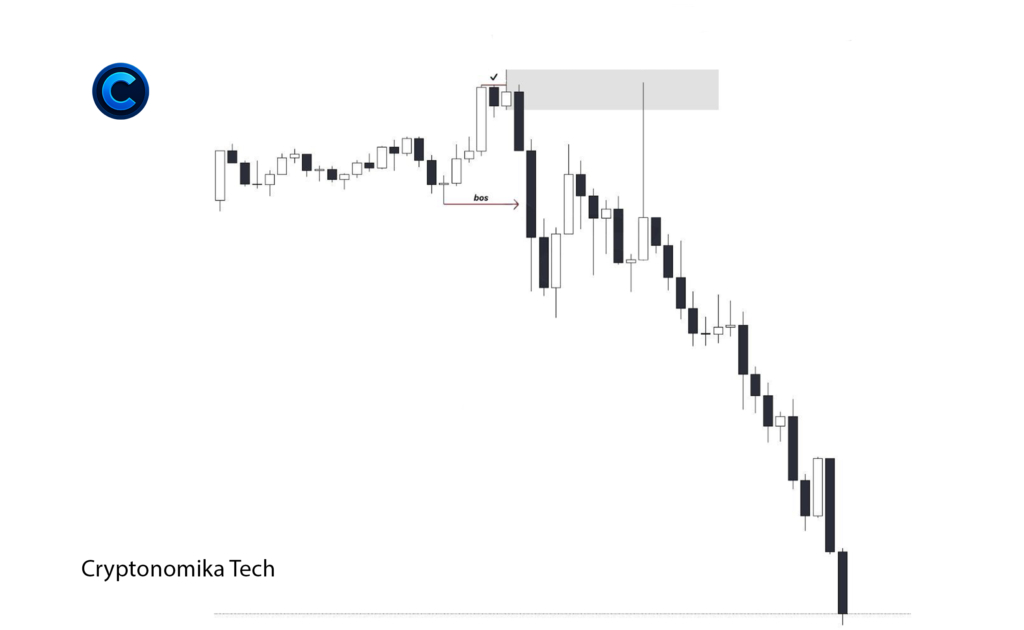
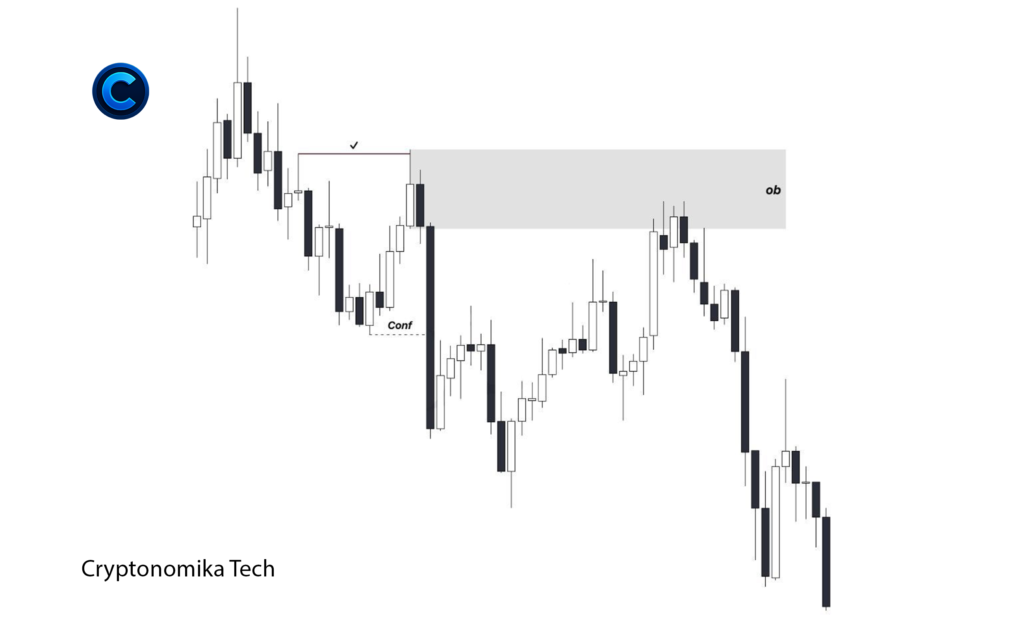
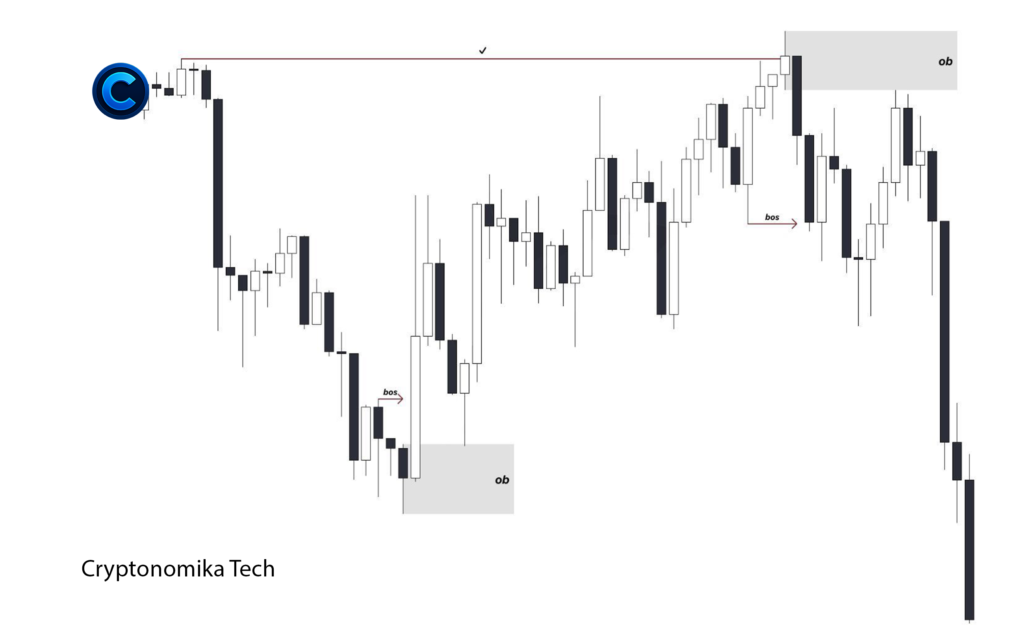
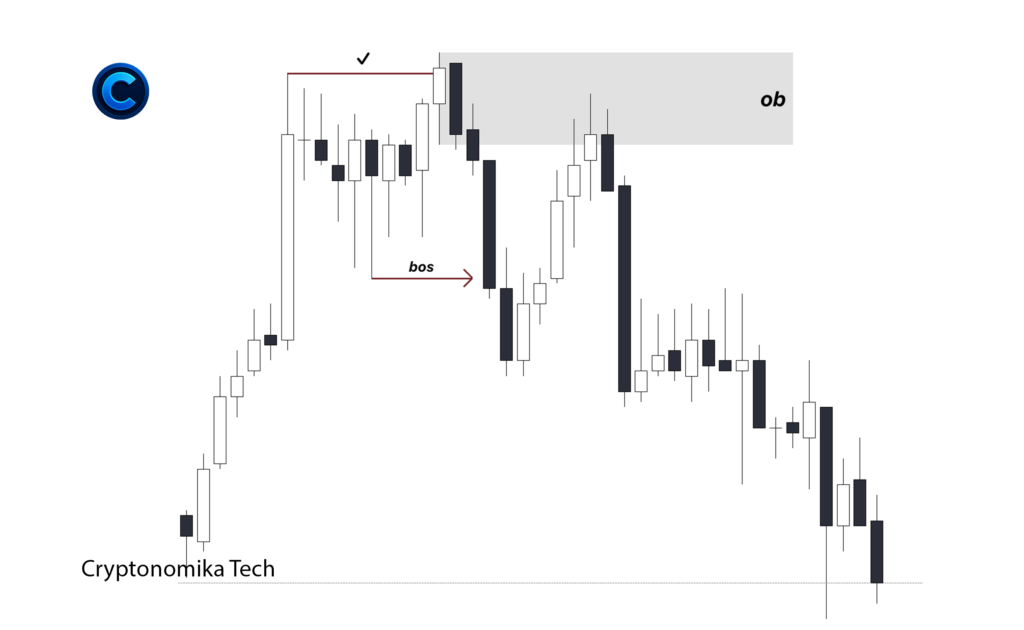
A strong bearish Order Block trading often leads to fast and impulsive downside moves, especially when aligned with higher timeframe bias.
Key Criteria of a Valid Order Block
Not every candle before an impulse is a true Order Block. A valid OB must meet several strict conditions:
- The Order Block must be engulfed by the next candle
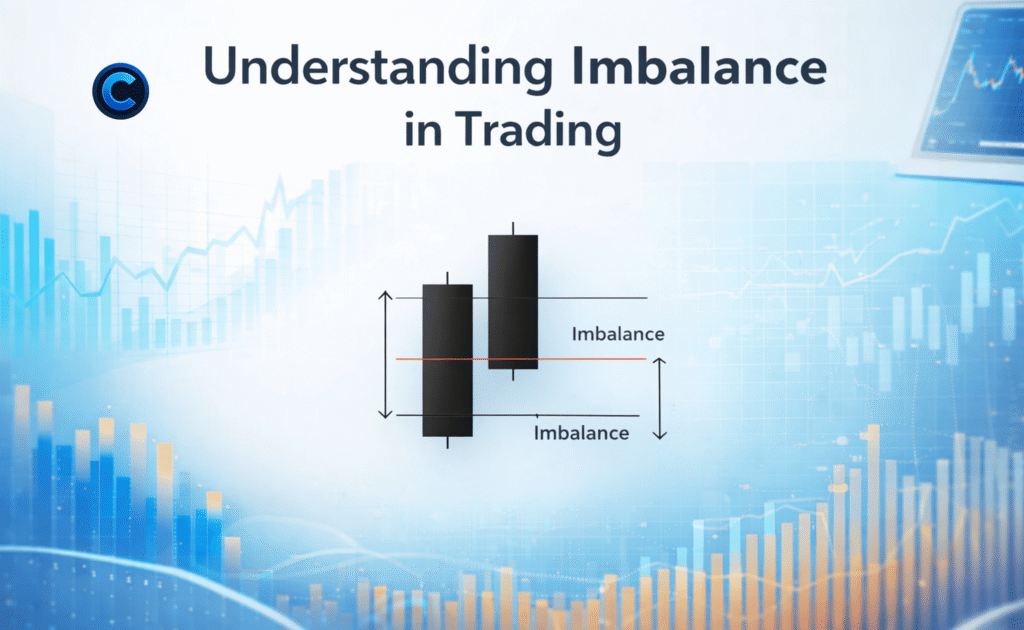
The following candle should clearly overpower the OB candle, showing institutional strength. - The impulsive move must create an Imbalance (Fair Value Gap)
Strong OBs almost always leave inefficiencies in the market, indicating urgency and aggressive participation. - The OB should be a clean, solid candle
Ideally, it has a strong body with relatively small wicks, showing decisive execution. - The Order Block must collect liquidity
Smart Money uses OBs to absorb liquidity before moving price in the intended direction. - There should be no major liquidity pool directly below (bullish) or above (bearish) the OB
If liquidity remains untouched beneath a bullish OB, the setup becomes weaker.
Example of a Valid Order Block trading
Below are examples that illustrate a textbook Order Block setup with proper structure, liquidity, and imbalance.
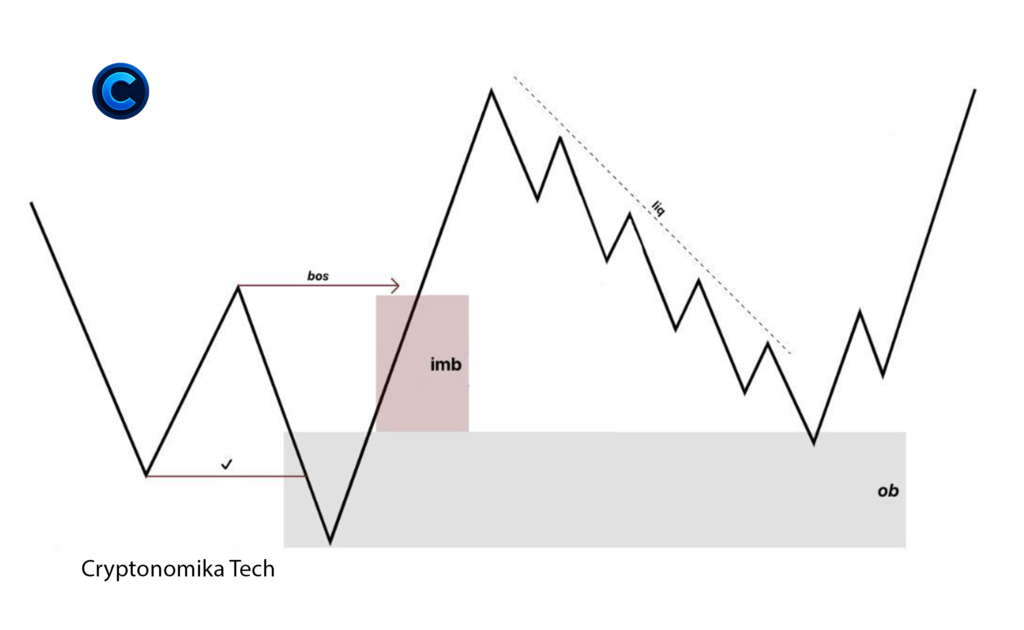
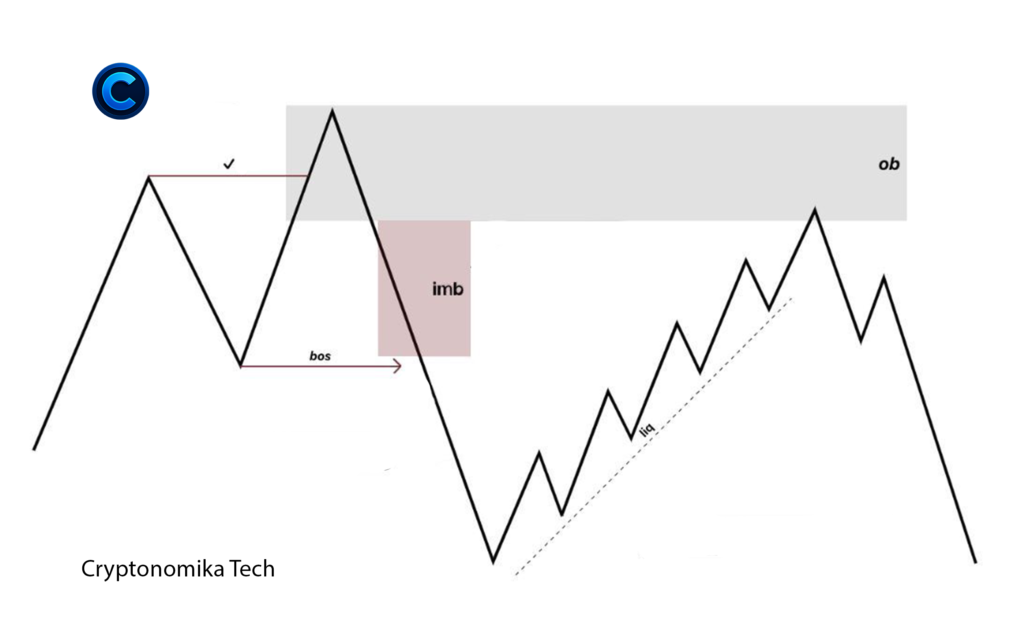
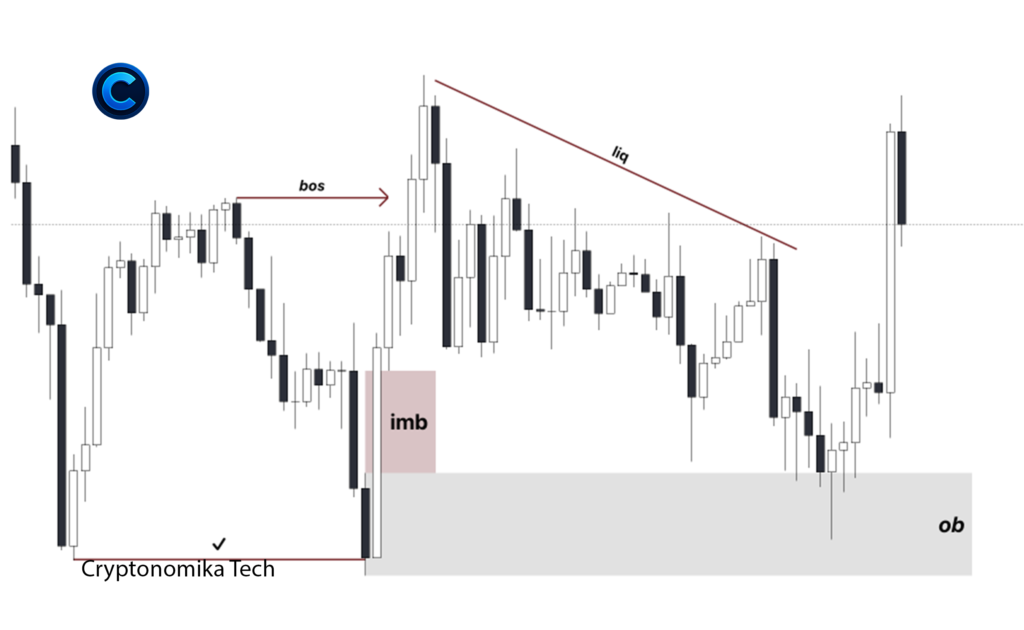
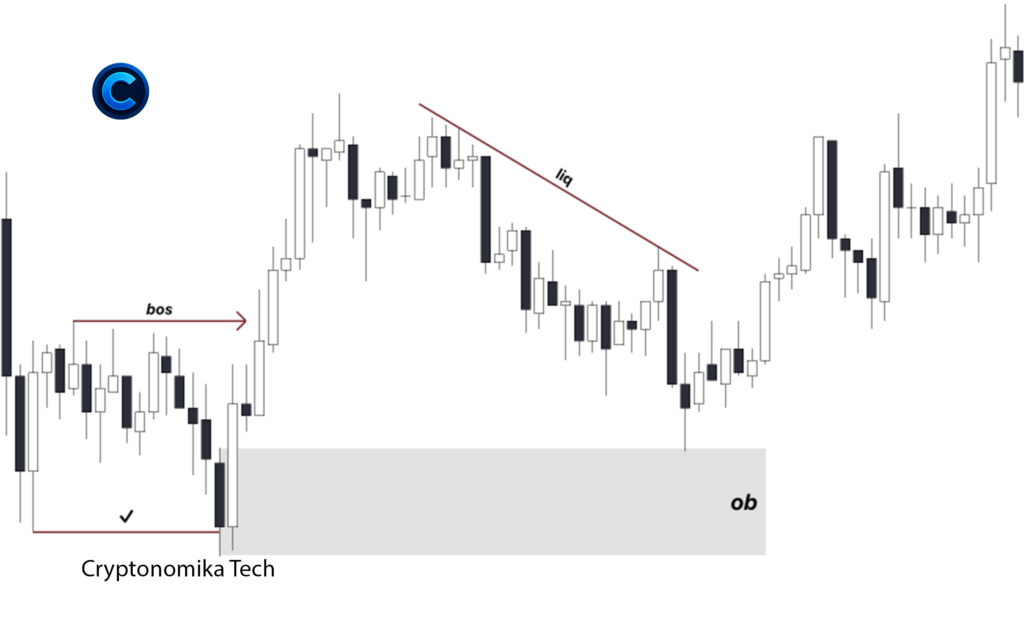
These examples highlight how price respects high-quality Order Blocks when all conditions align.
How to Trade Order Blocks
The most common and effective way to trade Order Blocks is using limit orders.
Entry Technique
- Place a limit order at the opening price of the OB
- Alternatively, use the 50% level (midpoint) of the Order Block trading
- The midpoint is especially important, as price often reacts most precisely from this level
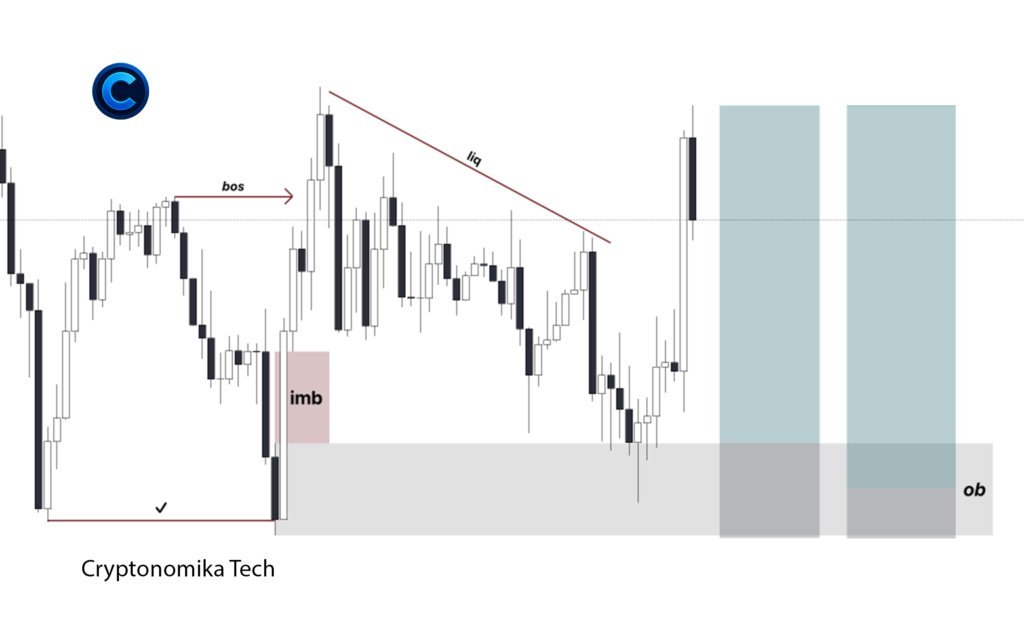
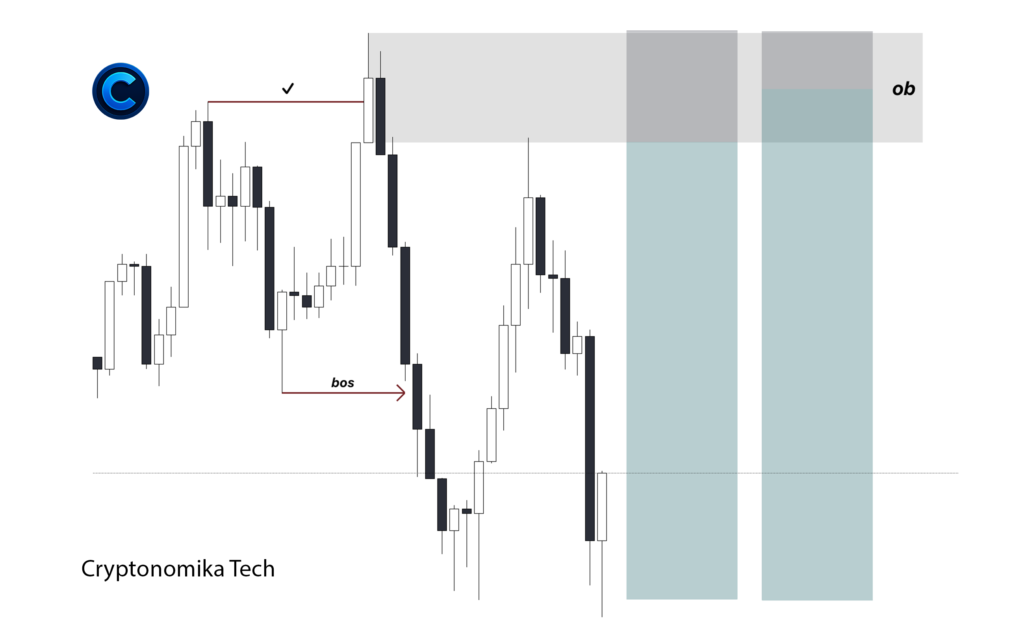
Using limit entries allows traders to achieve better risk-to-reward ratios and avoid emotional market entries.
How a Strong Order Block Should React
A high-quality Order Block behaves in a very specific way:
- After the initial impulsive move, price returns to test the OB
- The reaction from the OB is fast and decisive
- Price does not consolidate for long inside the OB zone
If price briefly taps the OB and immediately leaves with momentum, it indicates strong institutional interest.
Additional Rules for Order Block Strength
- If price returns to a bullish OB and does not break or close below the 50% level, expect a bounce
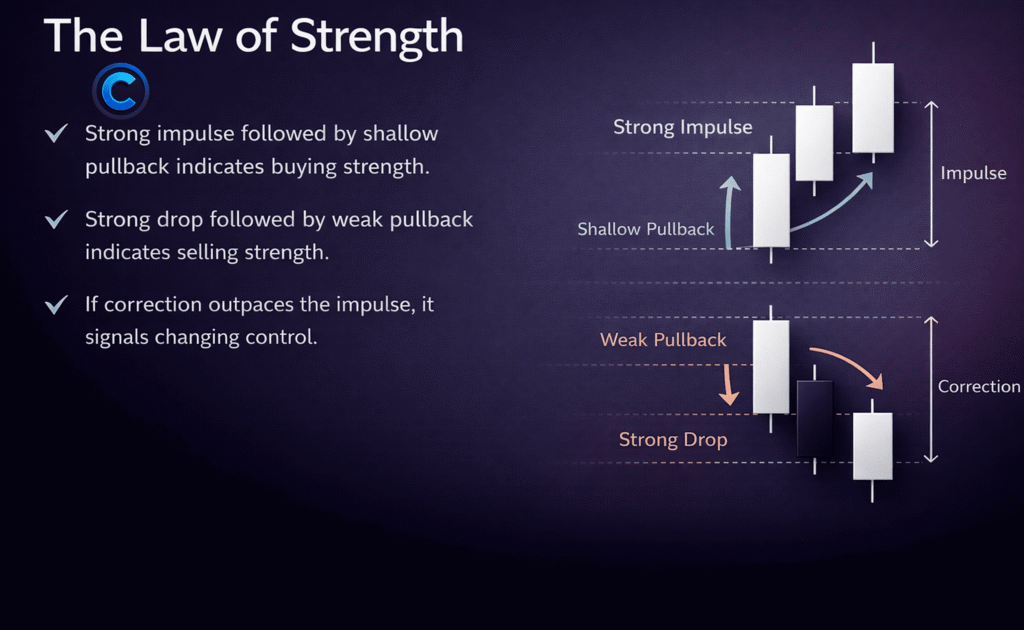
- The middle of the OB is a critical decision level
- Higher timeframe Order Blocks are more reliable and powerful
- An Order Block remains valid until a candle closes beyond 50% of the OB
Once price closes deeper than 50%, the OB is considered mitigated or invalidated.
Final Thoughts
Order Blocks are not just zones on a chart. They represent real institutional execution points. When combined with market structure, liquidity analysis, and higher timeframe bias, Order Blocks become one of the most powerful tools in Smart Money trading.
Mastering OBs requires patience, precision, and discipline — but once understood, they offer clear, logical, and repeatable trade setups.
Related Guide:
EQH and EQL in Trading: 5 Powerful Examples of Equal Highs and Lows
About the Author

2 thoughts on “Order Block Trading Explained (OB): 9 Key Smart Money Principles”