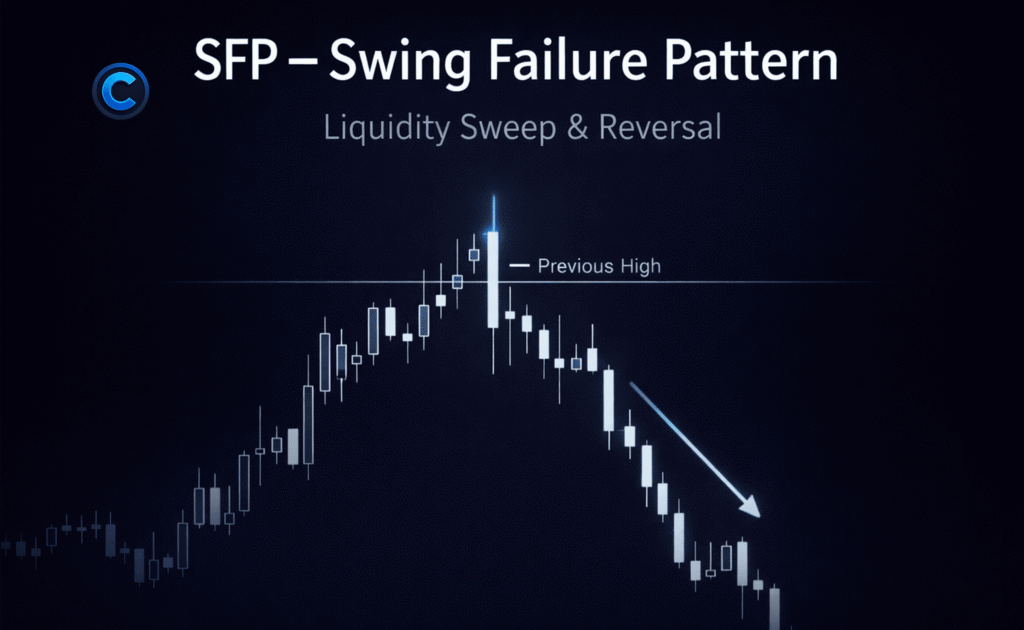

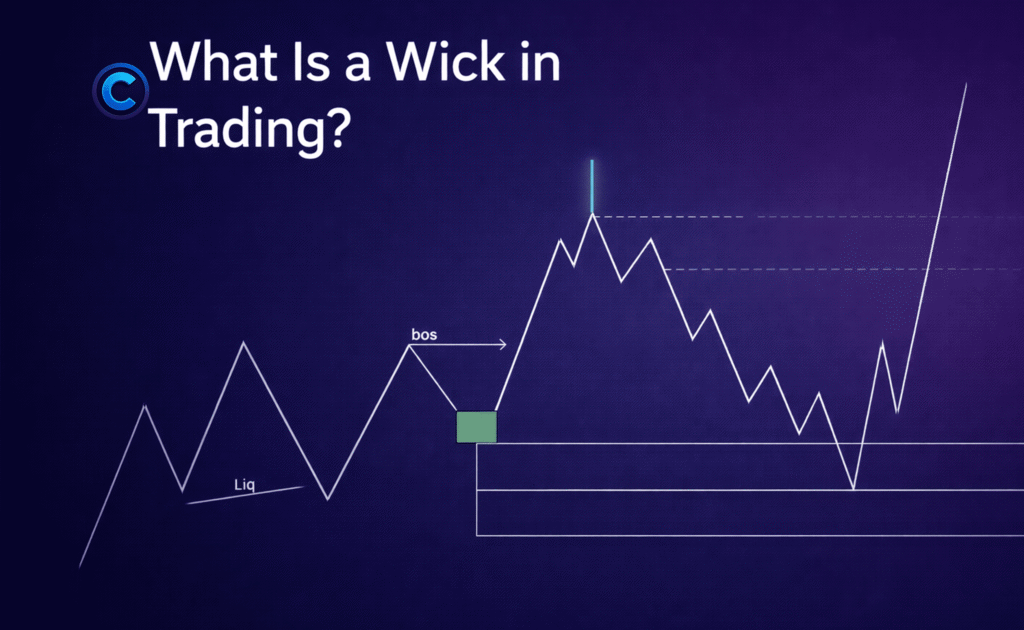
A wick trading is the shadow of a candlestick that extends beyond the candle body. In Smart Money Trading, a wick is not just a visual element — it often represents liquidity removal from the market.
A valid Wick pattern appears when price aggressively moves into an area, sweeps liquidity (stops), and then quickly reverses, leading to a Break of Structure (BOS). In this sense, a wick can be compared to an Order Block (OB), but it is used under different conditions.
The key distinction is simple:
- Order Block → institutional accumulation or distribution zone
- Wick → liquidity grab that triggers a structural shift
Because of this, the Wick pattern is applied only when no valid Order Block is present and when all confirmation conditions are met.
When to Use the Wick Pattern (And When Not To)
The Wick setup is a conditional tool, not a universal entry model.
You should use the Wick pattern only if:
- There is no clear Order Block at the key level
- Liquidity is clearly swept (equal highs/lows, trendline liquidity, range extremes)
- The liquidity grab leads to a confirmed Break of Structure
- Price reacts impulsively after the wick is formed
You should avoid using the Wick trading pattern if:
- A strong, clean Order Block already exists
- The wick forms without a structural break
- The market is ranging with no directional intent
Anatomy of a Valid Wick Setup
A high-quality Wick trading setup contains three mandatory elements:
- Liquidity Target
Price moves into a zone where stop-losses are likely located (previous highs/lows, equal highs/lows). - Wick Formation
A long shadow forms, showing rejection and absorption of liquidity.
The candle body closes back inside the range. - Break of Structure (BOS)
After the wick, market structure is broken in the opposite direction, confirming intent.
Without BOS, the wick is just noise.
Wick vs Order Block: Key Difference
Although both Wick and Order Block can act as magnets for price, their nature is different.
- Order Block is built from consolidation and institutional positioning
- Wick is built from aggression and liquidity extraction
A wick trading represents reaction, not accumulation. That is why it is used only in the absence of OBs.
Price Magnet Concept and the 0.5 Wick Zone
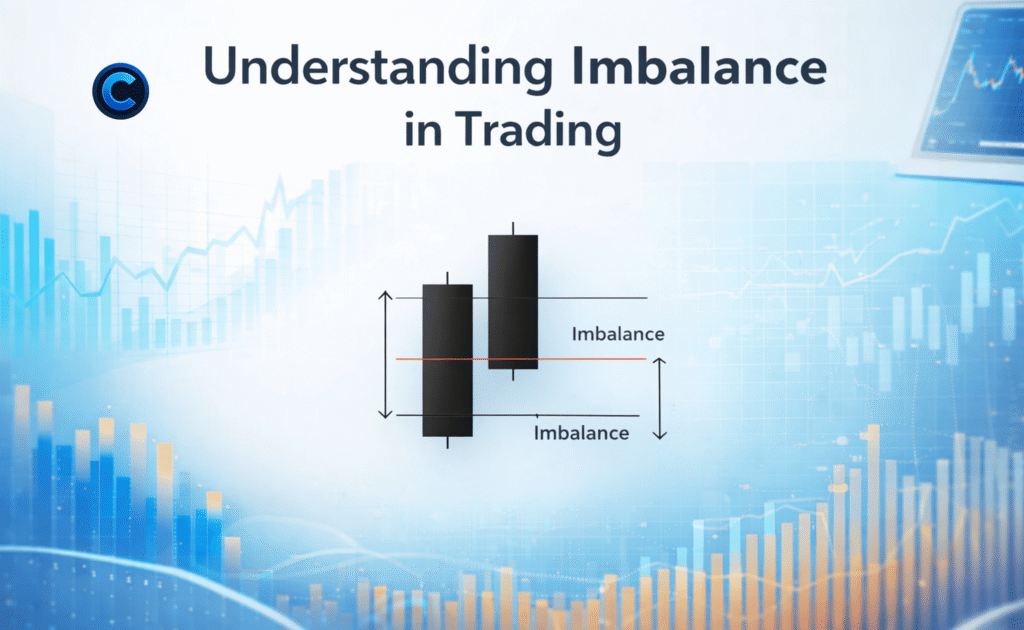
Just like imbalance, the wick often behaves as a price magnet.
In many cases, after the initial impulse:
- Price retraces back into the wick
- The 50% (0.5) level of the wick becomes a high-probability reaction zone
- This area can be used to refine entries on lower timeframes
This is especially effective when combined with:
- Lower timeframe Order Blocks
- STB (Support to Break) or BTS (Break to Support)
- Internal BOS or CHoCH
Entry Models Using the Wick
Entries from a Wick trading are executed exactly the same way as with Order Blocks.
There are two main approaches:
Aggressive Entry
- Entry directly from the 0.5 wick level
- Minimal confirmation
- Higher risk, higher reward
- Requires strong higher-timeframe confluence
Conservative Entry
- Wait for lower timeframe structure (OB, BOS, STB/BTS)
- Entry after confirmation
- Lower risk, slightly reduced RR
- Preferred for consistency
Example 1: Wick After Liquidity Sweep
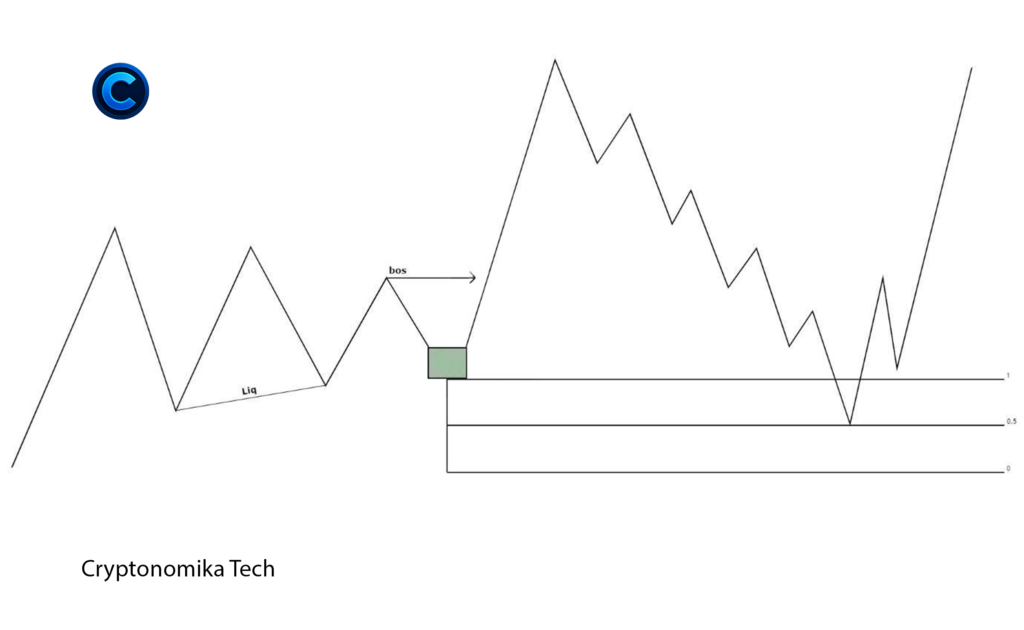
This image shows a classic liquidity sweep followed by a strong wick.
Notice how price:
- Sweeps sell-side liquidity
- Forms a long lower wick
- Breaks internal structure upward
This is a textbook Wick trading setup.
For the best chart analysis experience, open these structures directly on TradingView.
Example 2: Wick With Structure Confirmation
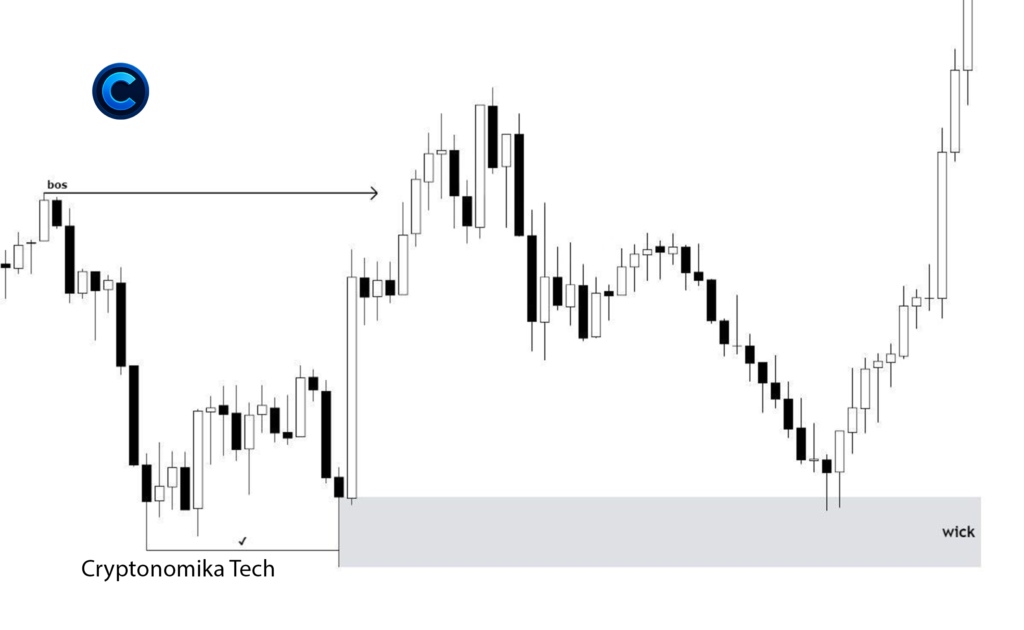
Here, the wick alone is not enough.
The confirmation comes from the clear Break of Structure, validating bullish intent.
Example 3: Wick as a Reaction Zone
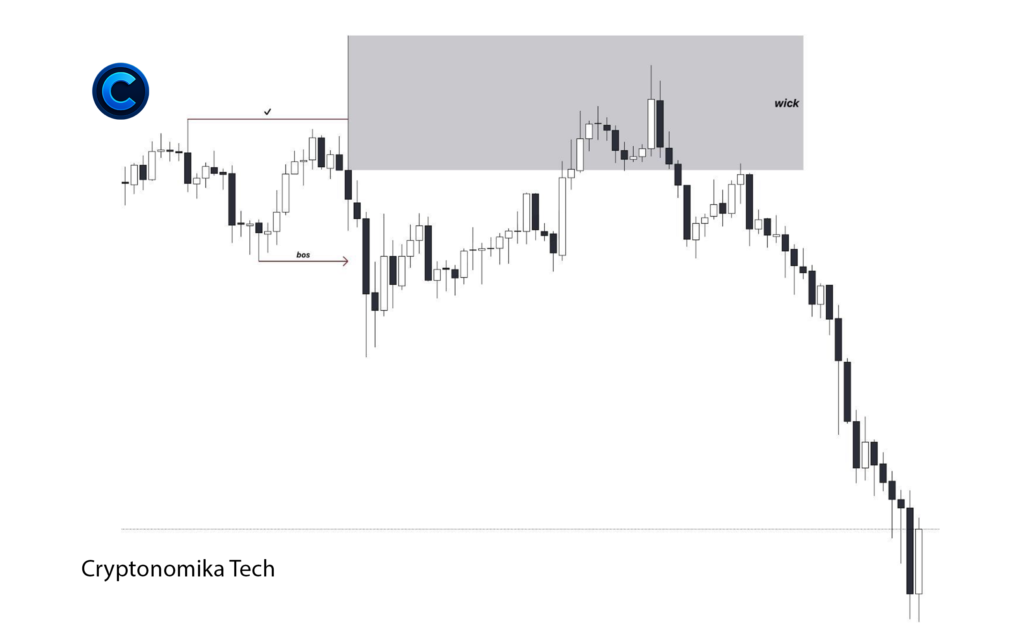
After the impulse, price retraces into the wick.
The 0.5 wick level acts as a reaction zone where lower-timeframe confirmations can be used.
Example 4: Failed Wick (What to Avoid)
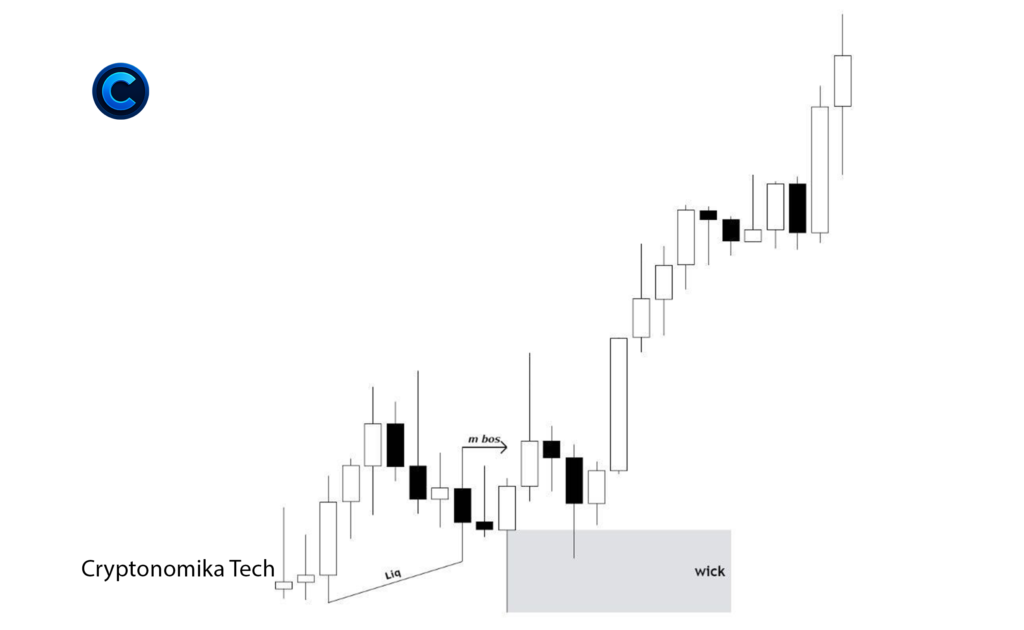
In this case, the wick trading forms but structure remains intact.
No BOS = no trade.
Example 5: Wick Combined With OB on Lower TF
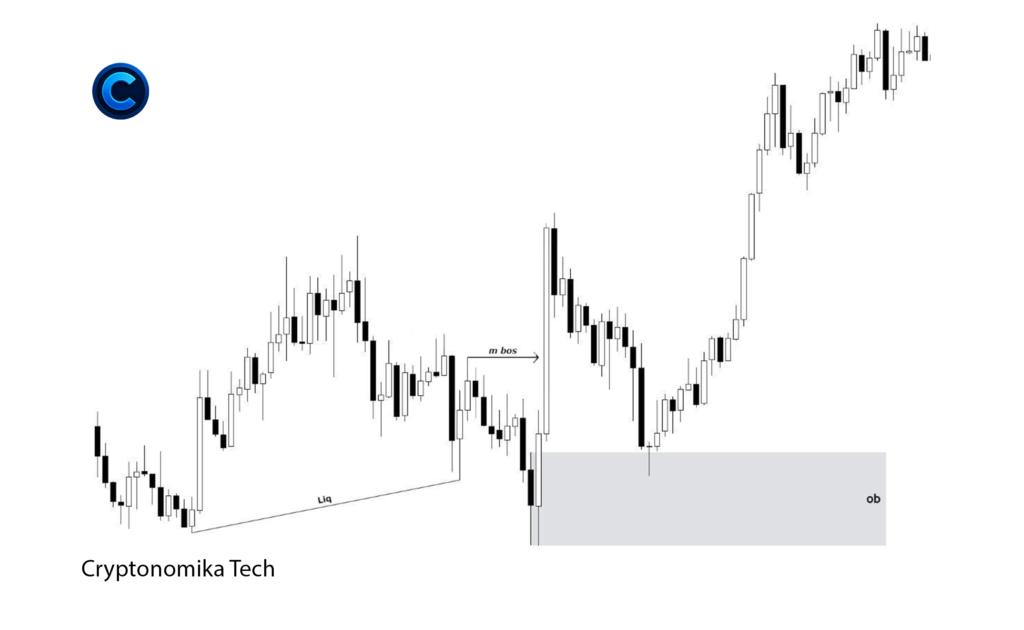
Even though no HTF Order Block exists, a lower-timeframe OB appears inside the wick, offering a precise and controlled entry.
Final Notes on Using Wicks Correctly
The Wick pattern is not a replacement for Order Blocks.
It is a contextual liquidity model that works best when:
Used correctly, the Wick becomes a powerful addition to Smart Money Trading — especially in environments where Order Blocks are unclear or absent.
Related Guide:
BSL and SSL in Trading: 5 Powerful Buy & Sell Side Liquidity Concepts
About the Author